
Sports Massage in North Finchley: Benefits, Recovery & What to Expect
Whether you’re training several times a week, running, lifting weights, playing sport or simply dealing with muscular tightness from an active lifestyle, sports massage can be a useful addition to your recovery routine.
And despite the name, you certainly don't need to be a professional athlete to book one.
At Nyla Pilates & Wellness in North Finchley, we offer Sports Massage from our private treatment room, with treatments tailored to your individual needs, activity levels and areas of muscular tension.
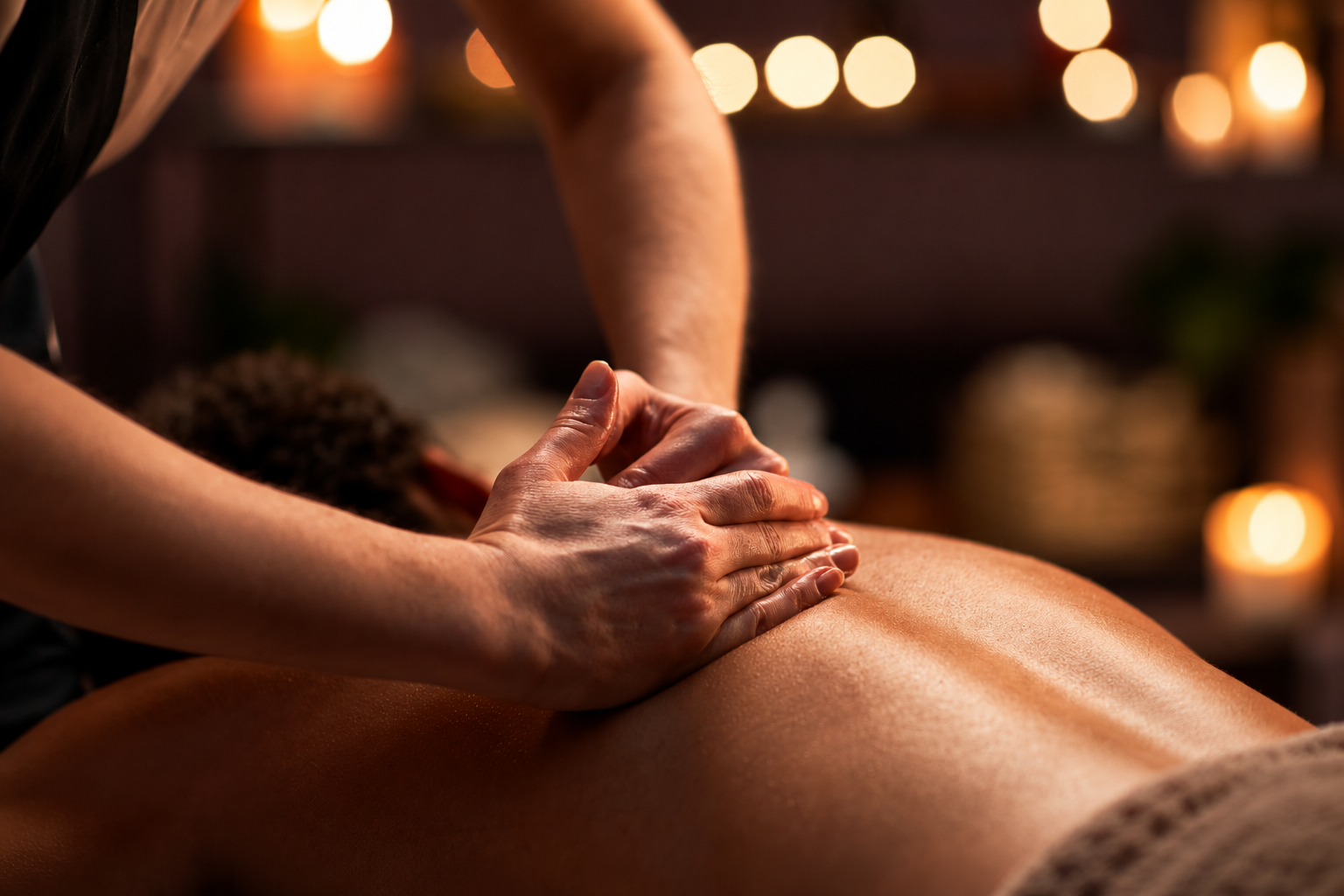
What Is Sports Massage?
Sports massage is a targeted form of massage focused on the muscles and soft tissues involved in physical activity.
Unlike a relaxation-focused massage, a sports massage will usually concentrate on particular areas of the body depending on your needs.
For example, a runner may want their therapist to focus on the legs, while someone who regularly strength trains may be experiencing tightness through the shoulders, back or lower body.
Your treatment should therefore be individual rather than following exactly the same routine for every client.
Is Sports Massage Only for Athletes?
Not at all.
The name can be slightly misleading.
You don't need to compete in a sport — or even consider yourself particularly athletic — to book a sports massage.
People who may choose sports massage include:
Runners
Gym-goers
Weightlifters
Cyclists
Football and racket-sport players
Pilates enthusiasts
People with physically demanding jobs
People returning to regular exercise
Anyone experiencing muscular tightness associated with physical activity
If you're active and want a massage with more emphasis on specific muscles and areas of tension, sports massage may be appropriate for you.
What Are the Benefits of Sports Massage?
One of the main reasons people book sports massage is recovery after exercise.
Research examining massage and exercise recovery has found that massage may provide a small benefit for delayed-onset muscle soreness (DOMS) and flexibility following exercise.
However, sports massage shouldn't be marketed as a way to instantly make you stronger, faster or dramatically improve athletic performance.
Instead, think of it as one possible component of a wider recovery routine alongside appropriate training, sleep, nutrition, hydration and rest.
Many clients also simply enjoy having areas of muscular tightness worked on by a trained therapist.
Sports Massage for Gym Recovery
If you regularly strength train, you'll know that challenging sessions can leave certain muscle groups feeling particularly tight or sore.
Sports massage can be tailored around the demands of your training.
For example, depending on your needs, your therapist might focus on areas such as the:
Back
Shoulders
Glutes
Hamstrings
Quadriceps
Calves
Your therapist should discuss your training and any particular areas you'd like them to focus on before beginning your treatment.
Sports Massage for Runners
Running places repeated demands on the lower body, which is why runners are another common group seeking sports massage.
A sports massage can focus on areas such as the calves, thighs, glutes and surrounding soft tissues depending on what you are experiencing and your training routine.
If you're preparing for a race, increasing your mileage or training more frequently, your therapist can also take this into consideration when planning your session.
Sports massage should not, however, be used to mask an injury that requires assessment or treatment from an appropriate healthcare professional.
Sports Massage vs Deep Tissue Massage: What's the Difference?
This is one of the most common questions people have when deciding which massage to book.
There can be overlap between the techniques used, but the focus of the treatment is different.
Sports Massage
Sports massage is generally more targeted towards physical activity, training and particular muscles or soft tissues.
Your therapist may tailor the treatment according to your sport, exercise routine and the areas you use most frequently.
Deep Tissue Massage
Deep tissue massage is focused on working more firmly into deeper layers of muscle and areas of persistent muscular tension.
You don't need to exercise regularly to benefit from a deep tissue treatment.
If you're unsure whether to book Sports Massage or Deep Tissue Massage at Nyla, contact us before booking and we can help you choose the most appropriate treatment.
Does Sports Massage Hurt?
Sports massage can involve firmer or more targeted pressure than a relaxing Swedish massage, but more pain does not automatically mean a better treatment.
Pressure should be appropriate for you.
Communication with your therapist is important throughout your appointment, so let them know if the pressure feels uncomfortable or if you would prefer it adjusted.
Your treatment should be tailored to your individual tolerance and goals rather than simply trying to make the massage as intense as possible.
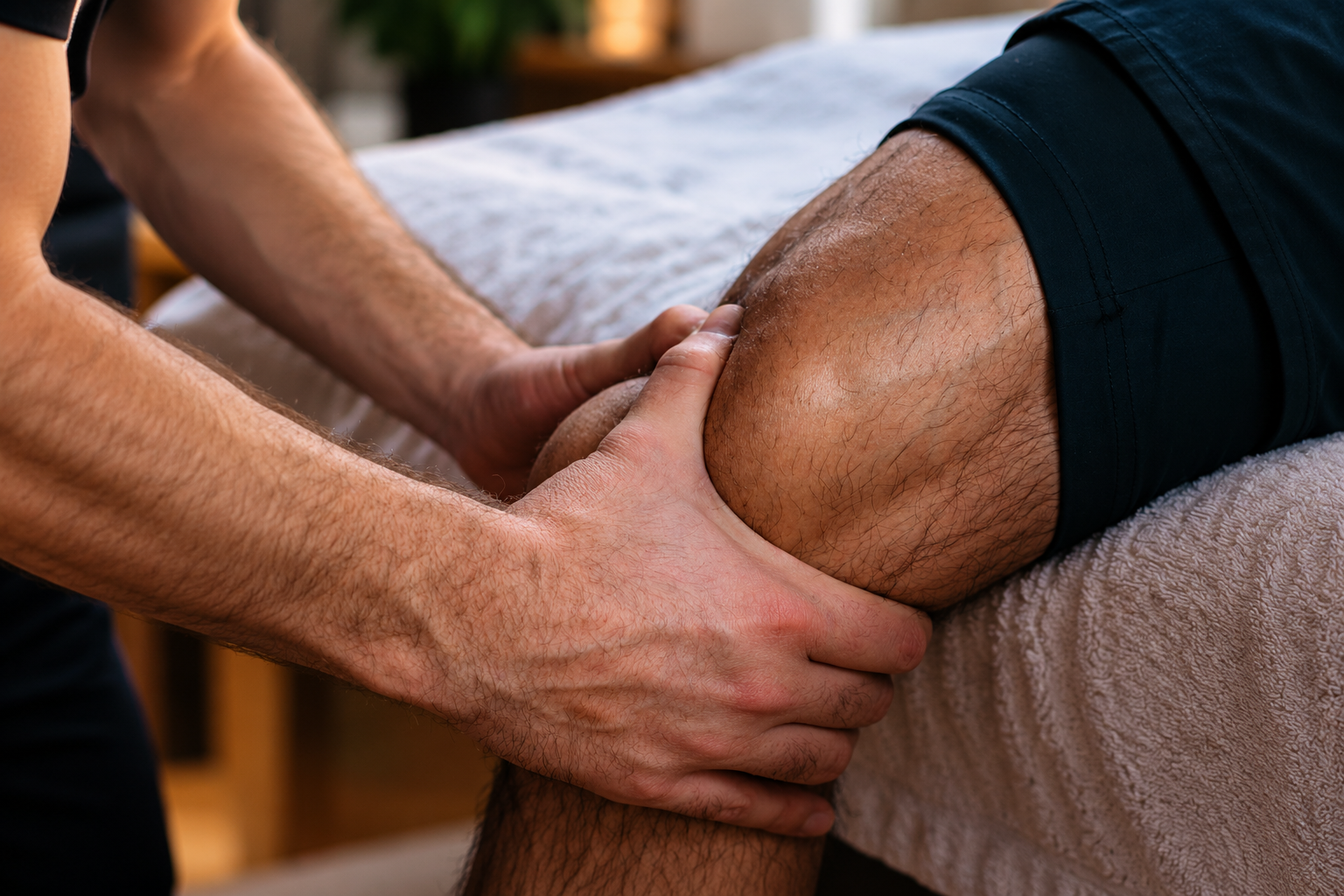
What Happens During Your First Sports Massage?
Your first appointment should begin with a consultation.
Your therapist may ask about:
Your usual exercise or sport
How frequently you train
Areas of muscular tension or soreness
Previous injuries
Relevant medical history
What you would like to achieve from the session
This allows the therapist to decide which areas to focus on and tailor the treatment accordingly.
You will also have the opportunity to ask questions before your massage begins.
At Nyla Pilates & Wellness, your treatment takes place in our calm, private treatment room in North Finchley.
Should I Have Sports Massage Before or After Exercise?
This depends on the purpose of your appointment.
If you're booking sports massage primarily for recovery, many people prefer to schedule it after training or on a recovery/rest day rather than immediately before an intense training session.
Research into massage and sporting performance doesn't show convincing evidence that massage directly improves strength, sprinting, endurance or jumping performance.
It may, however, have modest benefits for post-exercise soreness and flexibility.
If you have an important race or competition approaching, discuss your training schedule with your therapist rather than experimenting with an unfamiliar treatment immediately beforehand.
Can I Exercise After a Sports Massage?
This will depend on the intensity of your treatment, how you feel afterwards and what exercise you're planning.
After a more intensive sports massage, you may prefer to avoid a particularly demanding workout immediately afterwards.
Your therapist can discuss this with you based on the treatment you've received and your training plans.
Listen to your body rather than feeling that you have to return immediately to intense exercise.
How Often Should You Get a Sports Massage?
There isn't one correct frequency.
Someone training intensively several times per week may have very different requirements from someone who exercises recreationally a few times per month.
How frequently you book will depend on factors including:
Your training volume
The type of activity you do
Your reasons for having sports massage
Your budget
How you respond to treatment
You don't necessarily need to commit to a regular schedule before you've even had your first appointment.
Start with an individual treatment and discuss your needs with your therapist.
Sports Massage vs Swedish Massage
If your main priority is relaxation, Swedish Massage may be a better choice.
Swedish massage generally uses flowing techniques and is commonly chosen by people wanting a relaxing full-body massage experience.
Sports massage tends to be more targeted.
For example, instead of spending equal time across the whole body, your sports massage therapist might dedicate more of the appointment to the legs, shoulders or back depending on your activity and needs.
Neither is inherently “better” — they're simply designed around different priorities.
What If I Think I'm Injured?
Massage isn't a substitute for medical assessment.
If you have experienced an acute injury, severe or unexplained pain, significant swelling, loss of movement, numbness, weakness or symptoms that are worsening rather than improving, you should seek appropriate medical advice.
The NHS provides musculoskeletal services for problems affecting muscles, joints and related structures, including sports injuries and strains.
If you're unsure whether massage is appropriate for you, speak to an appropriate healthcare professional before booking.
Sports Massage and Pilates
Sports massage and Pilates can complement an active lifestyle in different ways.
Pilates focuses on movement, strength, control and mobility, whereas sports massage is a hands-on treatment.
At Nyla Pilates & Wellness, having both services under one roof means our clients can access Reformer Pilates alongside massage and wellness treatments within the same North Finchley studio.
You don't need to be an existing Pilates client to book a Sports Massage with us.
Our massage treatments are available independently.
Sports Massage in North Finchley
If you're searching for a Sports Massage in North Finchley, Finchley or the surrounding North London area, you can book your treatment at Nyla Pilates & Wellness.
Our private treatment room provides a quiet and comfortable environment away from a busy gym setting.
Whether you're a regular gym-goer, runner, Pilates client, recreational athlete or simply live an active lifestyle, your appointment can be tailored around your individual needs.
Book a Sports Massage at Nyla Pilates & Wellness
Ready to book?
Book your Sports Massage in North Finchley online and choose an appointment that works around your schedule.
Nyla Pilates & Wellness
2 Lambert Way, North Finchley, London N12 9EP
Book your Sports Massage online today.
Sports massage is not a substitute for diagnosis or treatment of an injury or medical condition. If you have significant, persistent or unexplained symptoms, seek advice from an appropriate healthcare professional.